 Sporting Gijon Hub
As the season progresses, Sporting Gijón finds itself at a crossroads, balancing ambition with the need for tactical refinement. While Los Rojiblancos have shown flashes of brilliance, their recent form indicates that strategic tweaks could help solidify their position and enhance their consistency in the league.
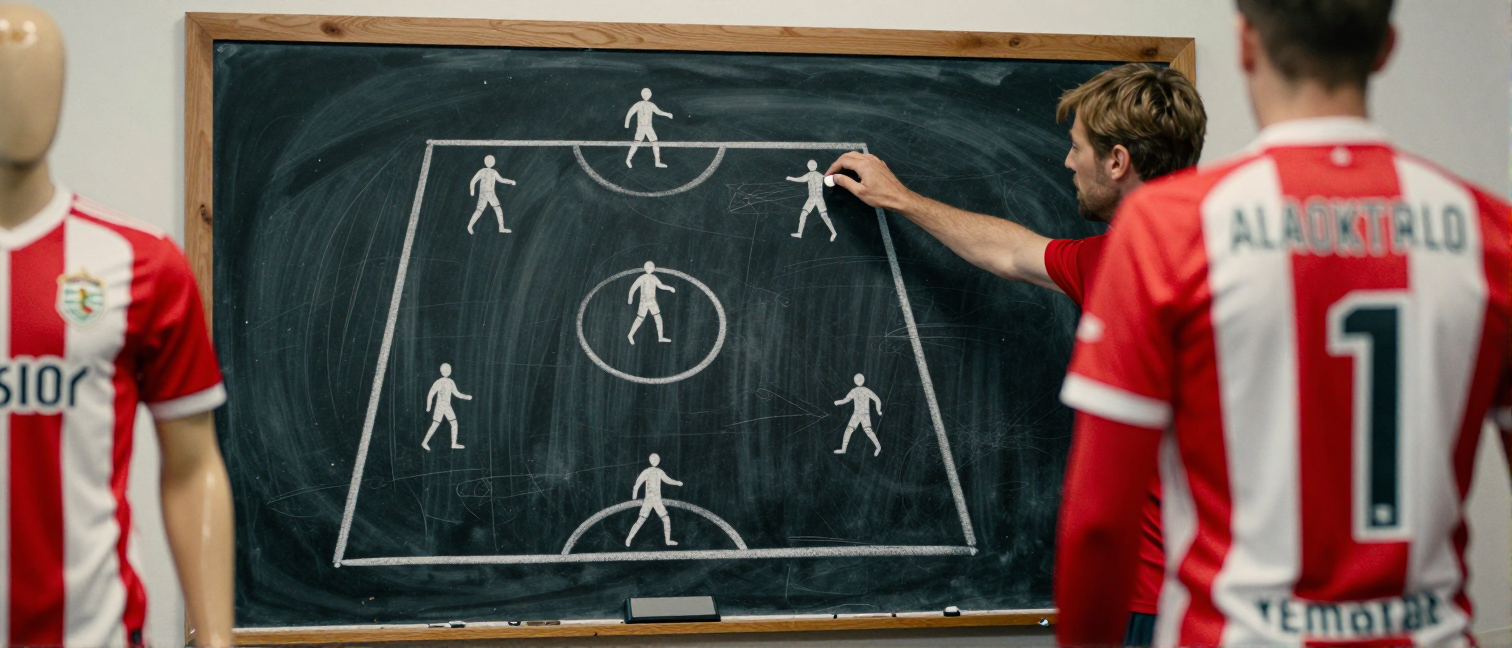
Current Tactical Landscape Sporting Gijón's setup under the current managerial regime has largely revolved around a 4-2-3-1 formation. This structure has allowed the team to maintain a solid defensive base while facilitating creative play through the midfield. However, the reliance on this formation has also exposed some vulnerabilities, particularly in transitions and against teams that press high.
In recent matches, the midfield has occasionally been overrun, leading to a lack of support for both the defense and the attacking line. While the double pivot provides stability, it can become stagnant, particularly when both midfielders lack the dynamism to push forward and link up with the attacking players. This has resulted in a predictable approach, with opponents easily able to stifle Sporting's offensive efforts.
Suggested Tactical Adjustments 1. Adopting a 4-3-3 Formation: One potential adjustment could be to shift to a 4-3-3 formation, which would provide more width and allow for a fluid attacking style. By including a third central midfielder, Sporting could gain greater control in the middle of the park, allowing for quicker transitions and better ball retention. This change could also enable one of the midfielders, potentially a more offensive-minded player, to support the wingers and create overloads on the flanks.
2. Incorporating a Pressing System: Another area for improvement lies in the pressing strategy. While Sporting has shown moments of high pressing, consistency is key. Implementing a coordinated pressing system could disrupt opponents' build-up play, forcing turnovers in dangerous areas. This would not only bolster the defensive effort but also create more immediate goal-scoring opportunities.
3. Utilizing Full-Backs in Attack: The role of full-backs in modern football cannot be underestimated. Currently, the full-backs at Sporting Gijón have been tasked primarily with defensive responsibilities. However, encouraging them to overlap and join the attack could stretch opposition defenses and provide additional crossing opportunities for the forwards. This tactical tweak could also help in creating mismatches against opposing defenders, especially when the wingers cut inside.
4. Rotational Play in the Final Third: Finally, enhancing the fluidity in the attacking third through rotational play can create confusion among defenders. Encouraging forwards to interchange positions and drop deeper to receive the ball could open up spaces for late runs from midfielders. This dynamic movement would keep defenders guessing and potentially lead to more clear-cut chances.
Conclusion Sporting Gijón has the foundational talent to compete effectively in their league. By implementing these tactical tweaks, they can not only improve their current form but also cultivate a style of play that is more adaptable and difficult for opponents to counter. As they look to solidify their standing, embracing these adjustments could be the key to unlocking their full potential and achieving consistent results.